Cerebrum: how does it work?
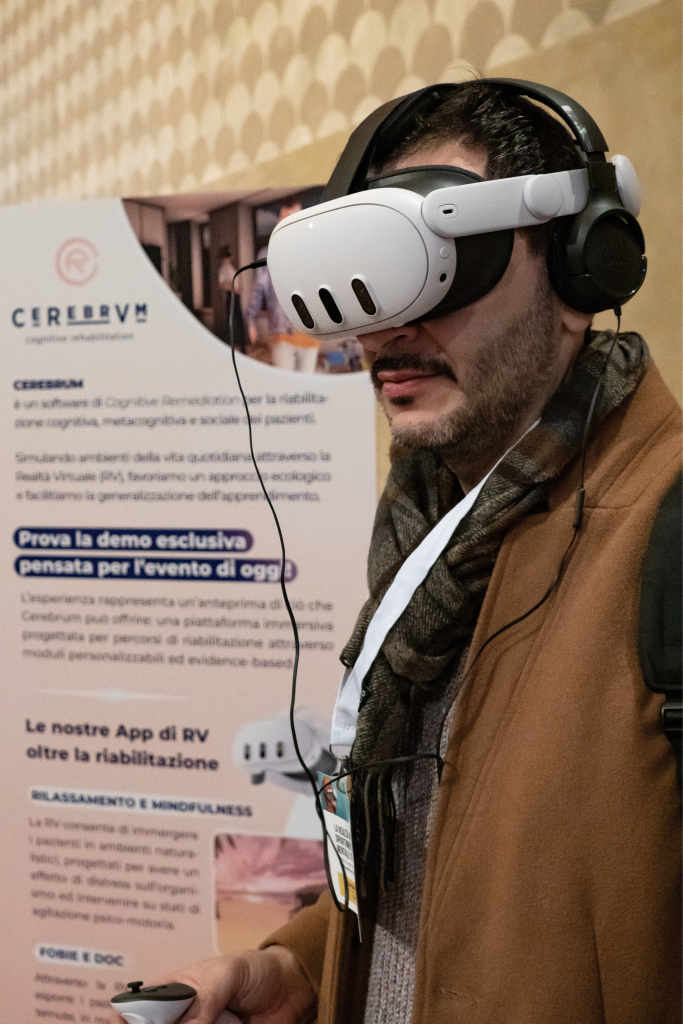
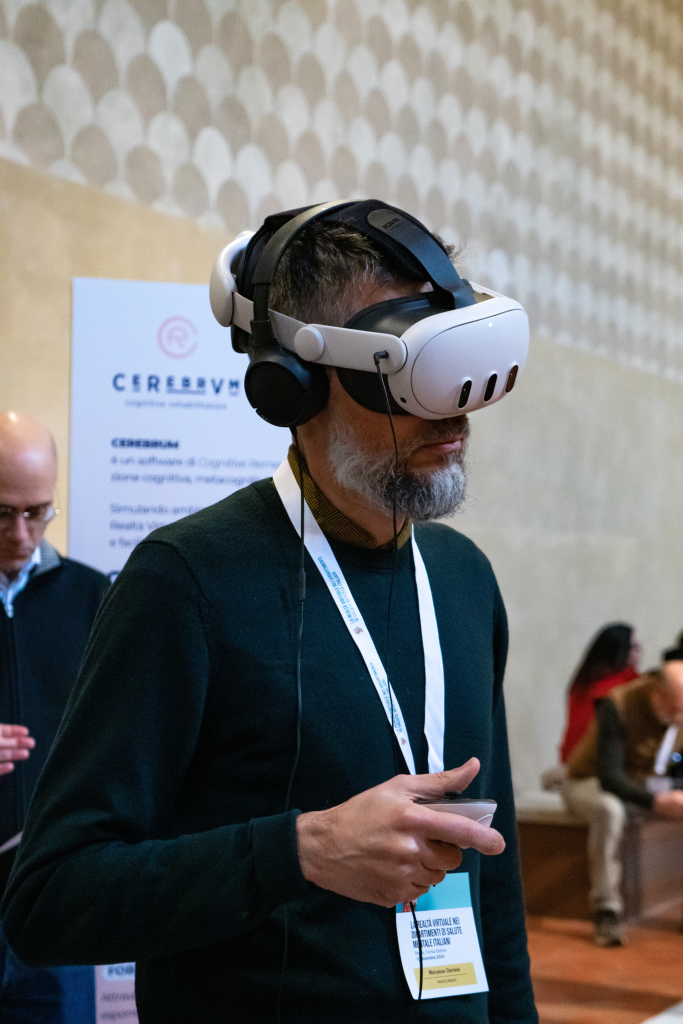
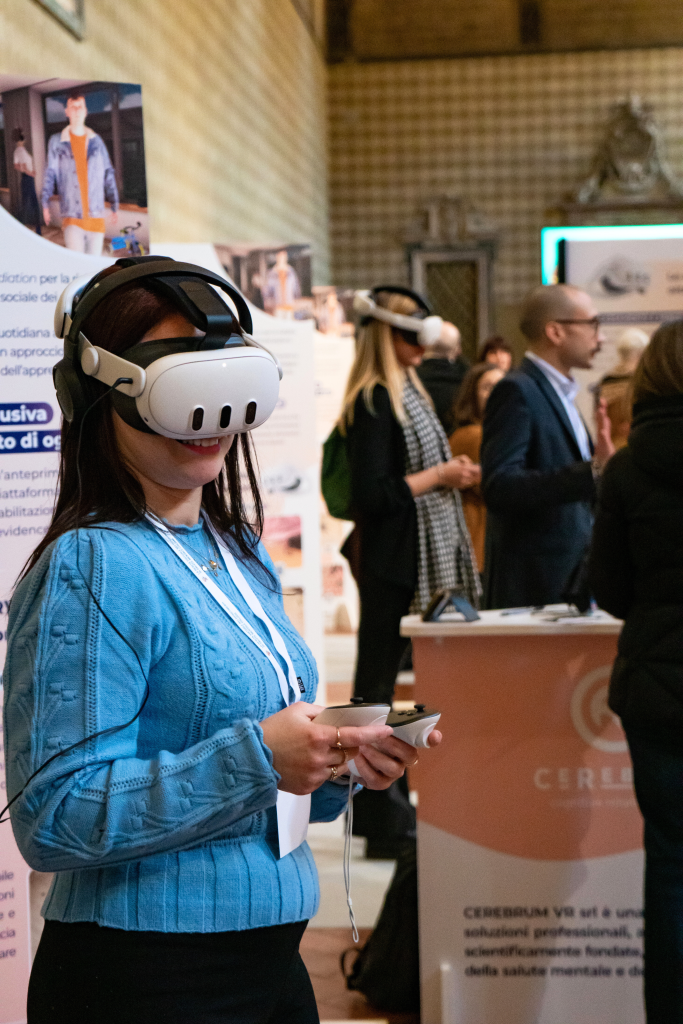
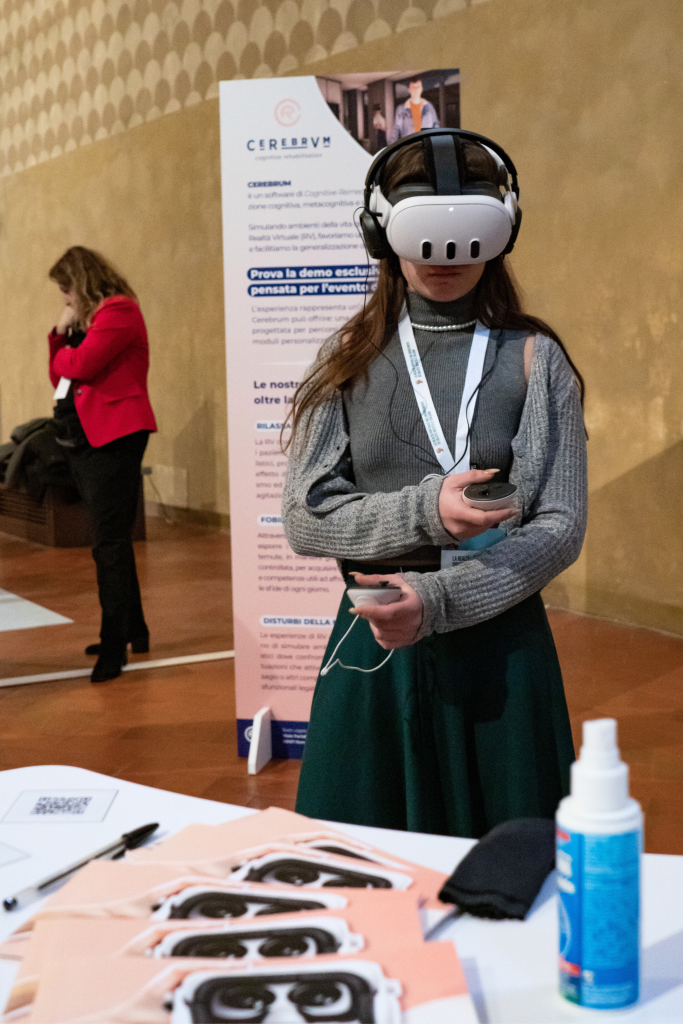
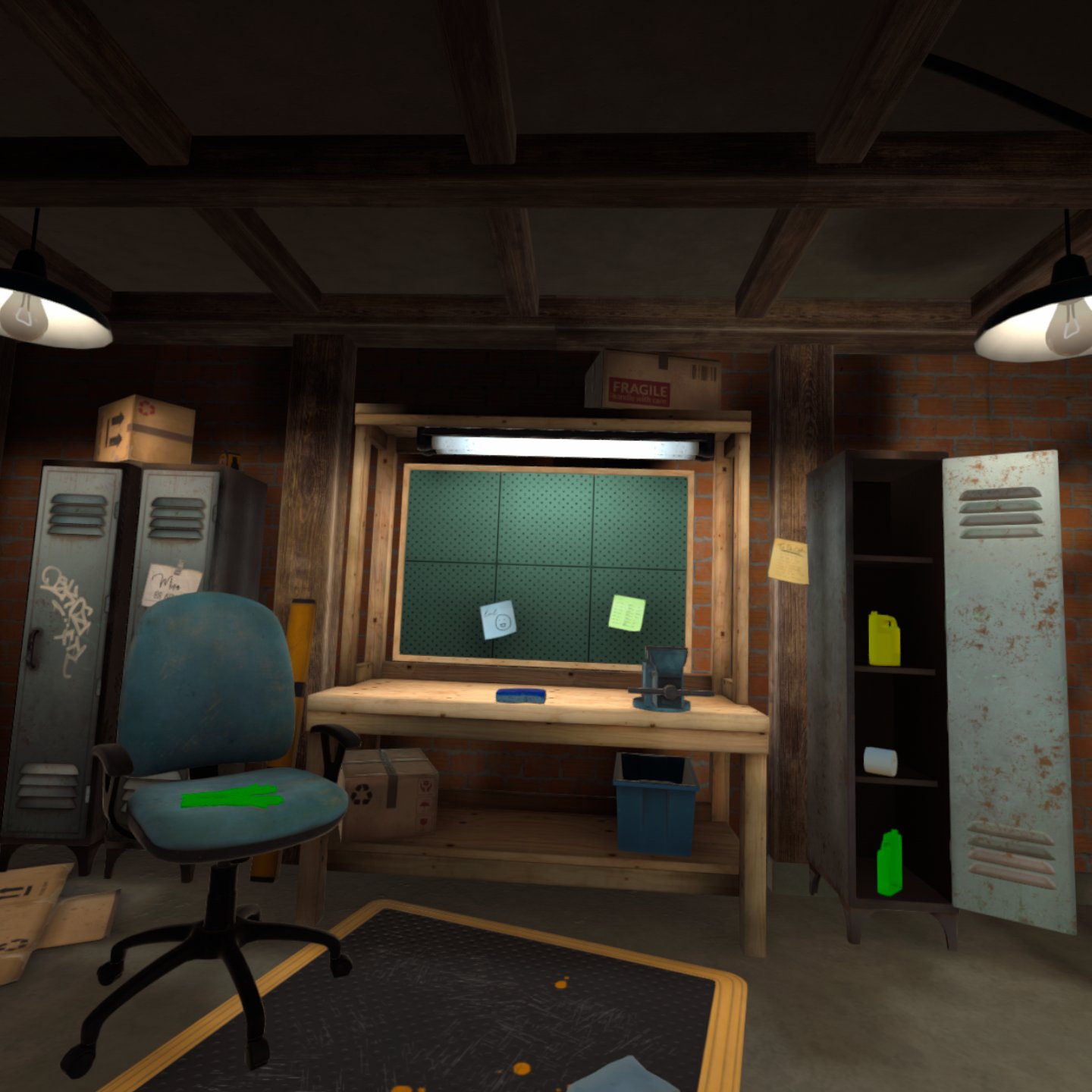
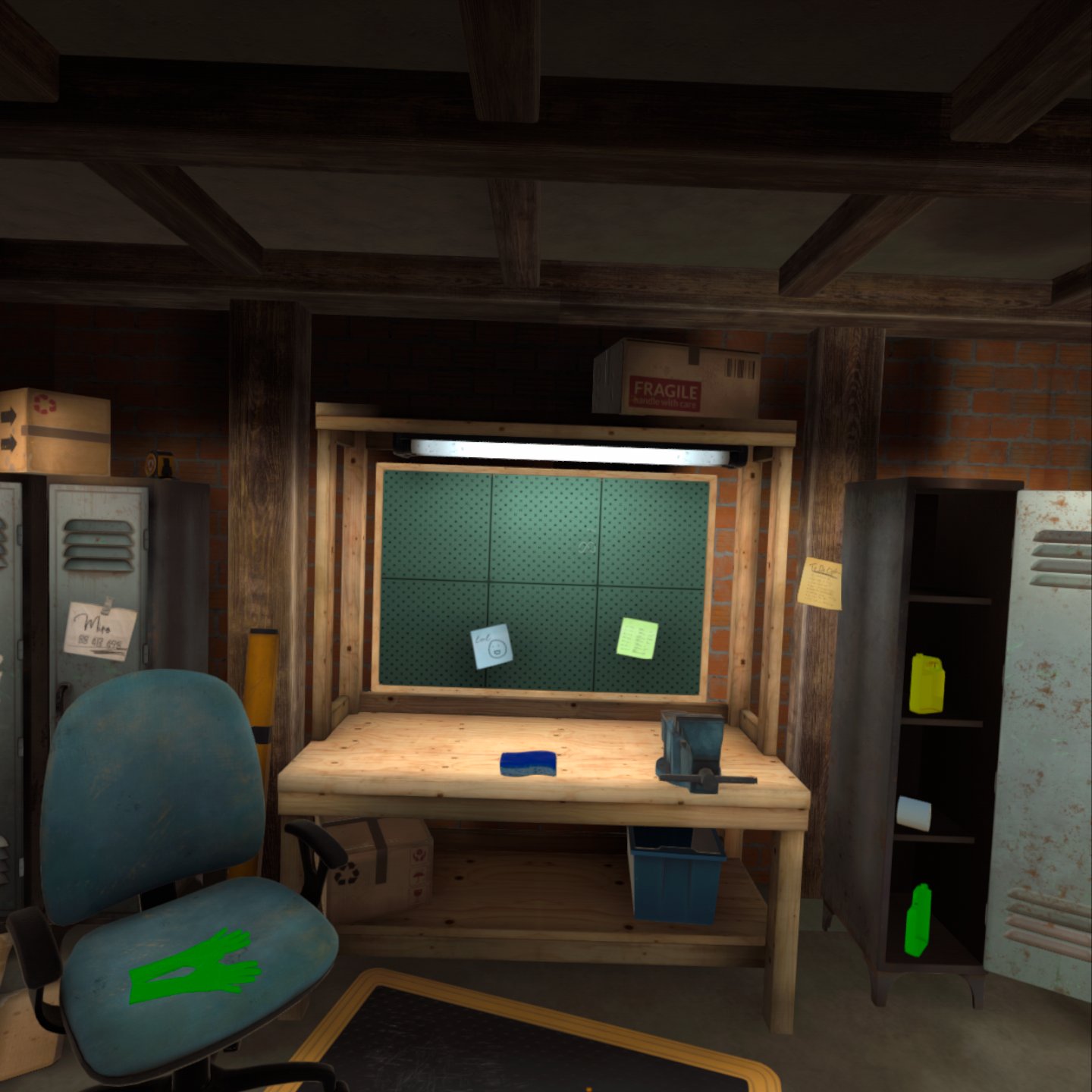
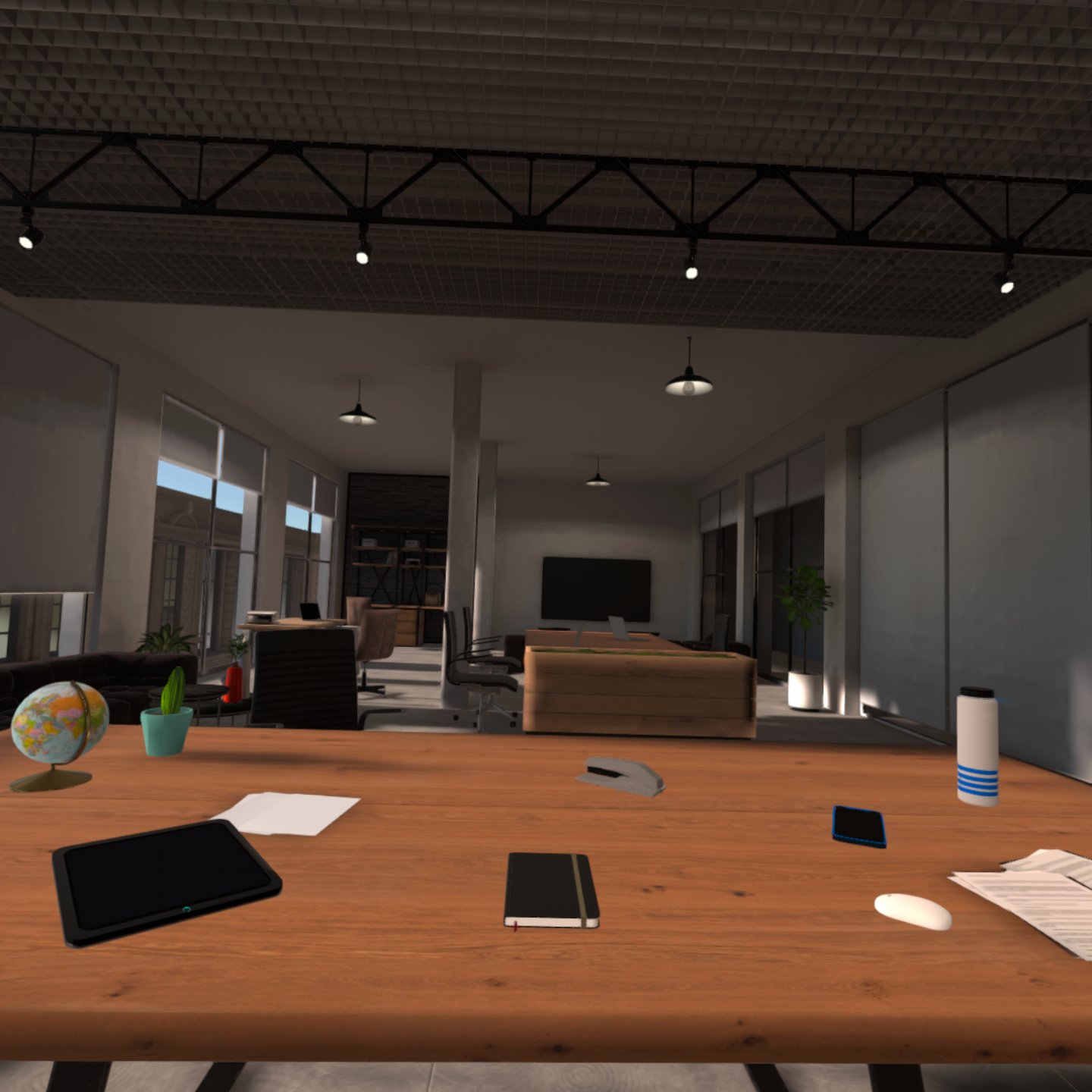
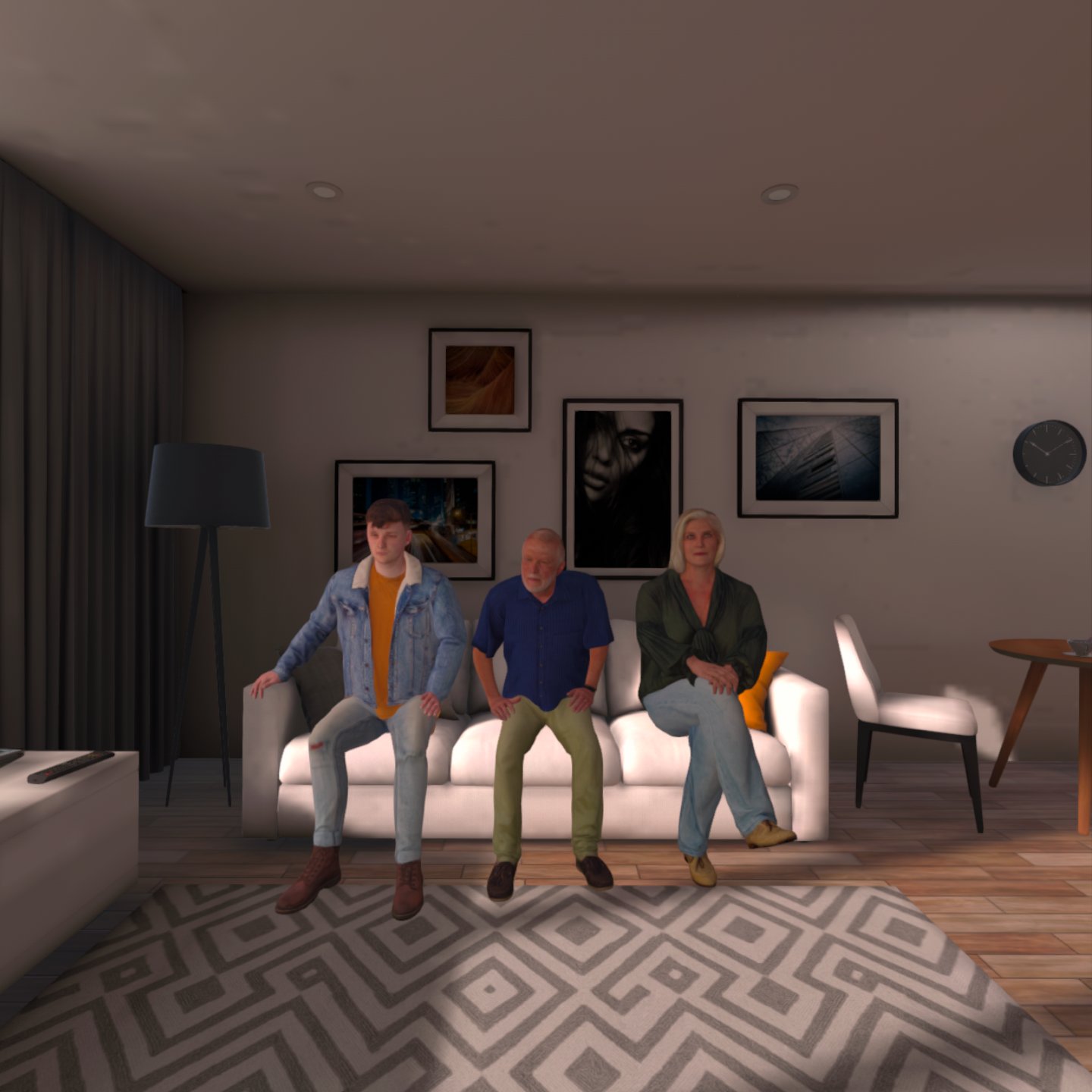
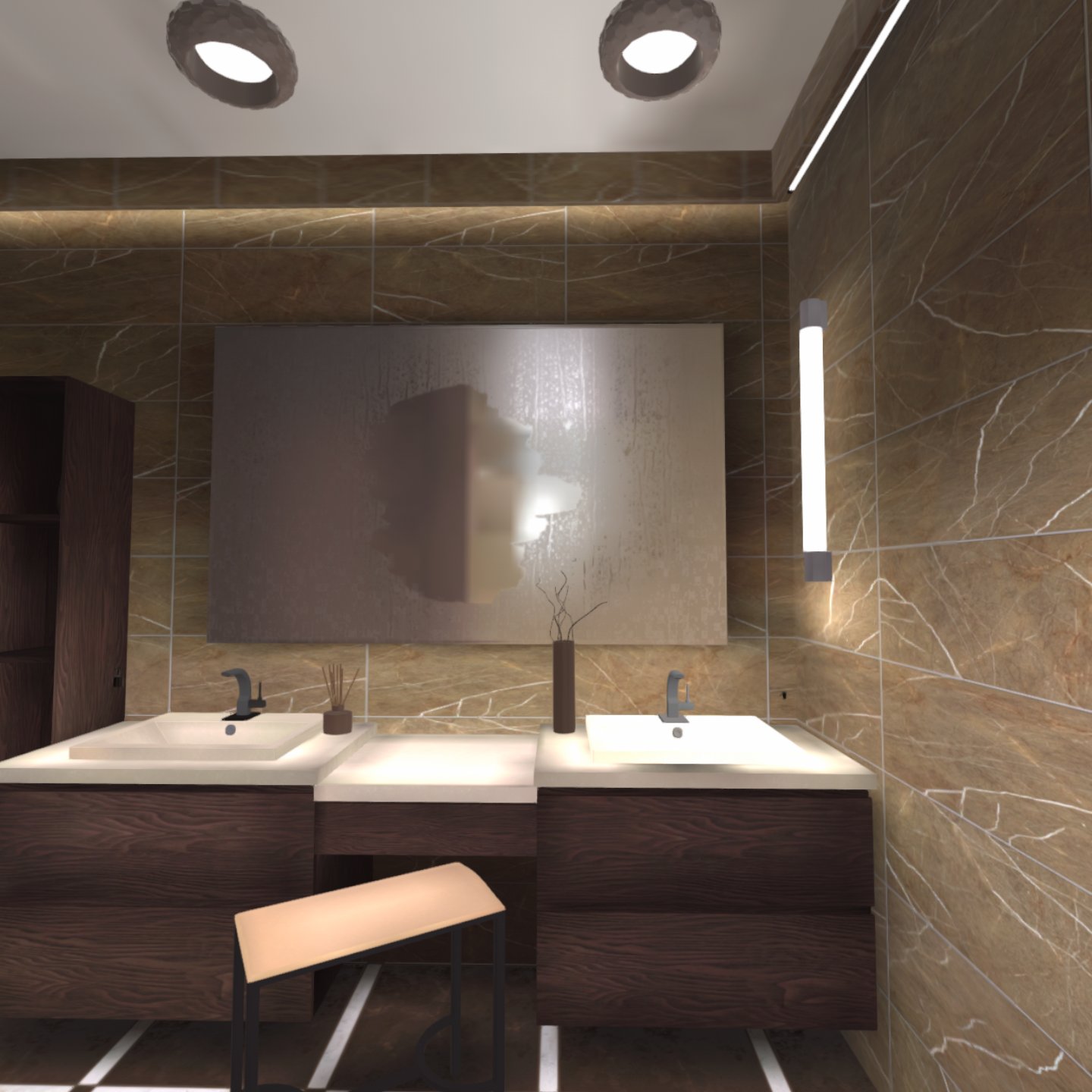
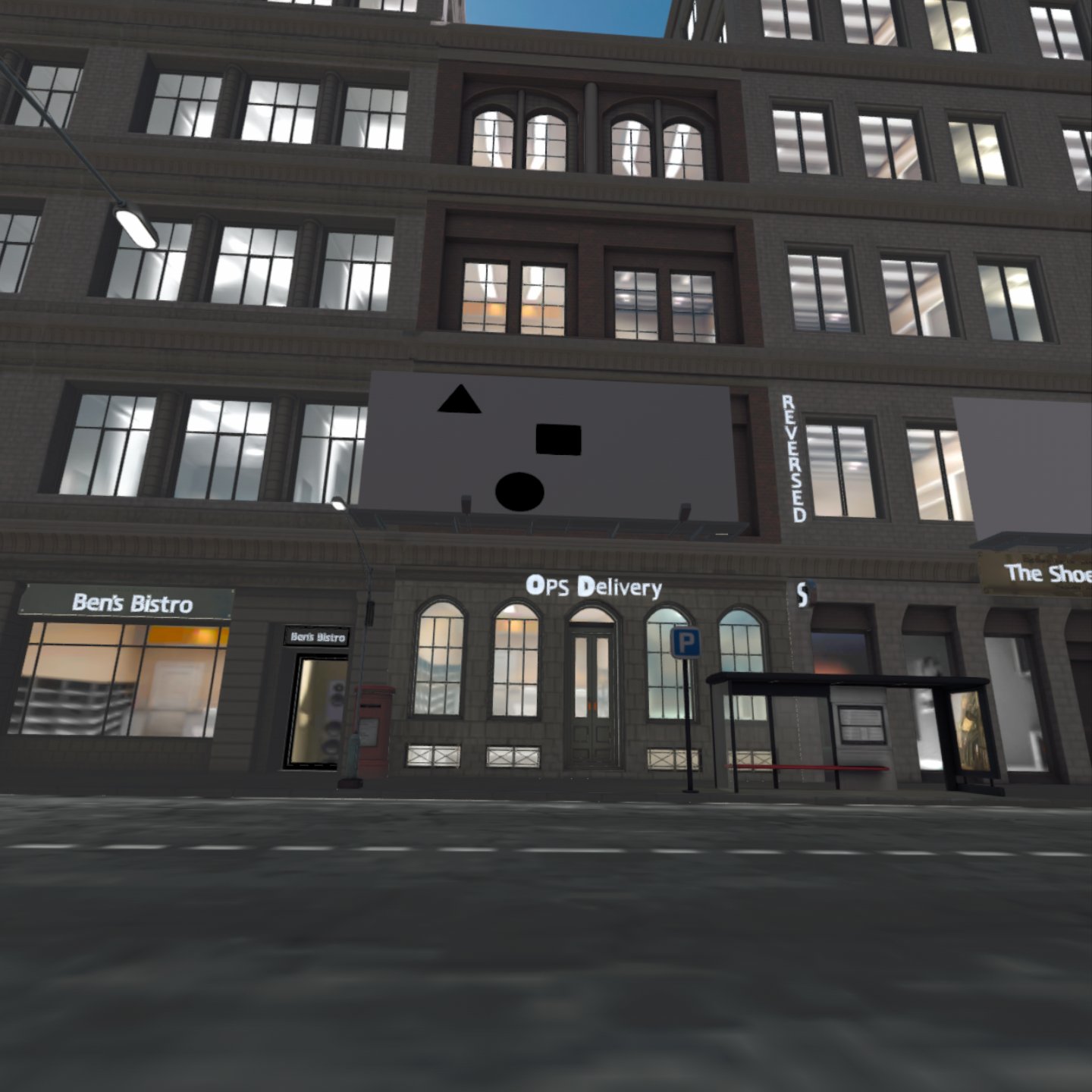
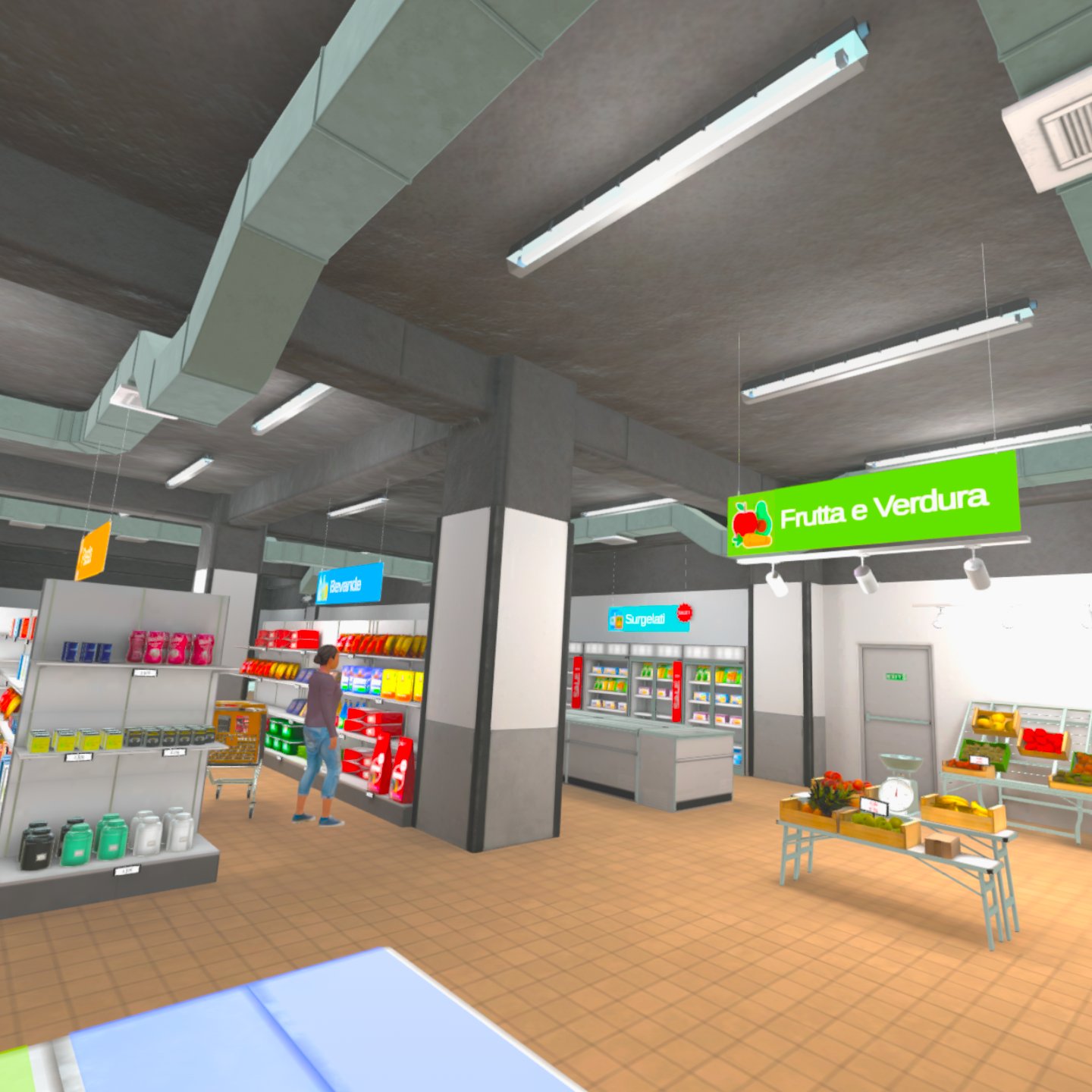
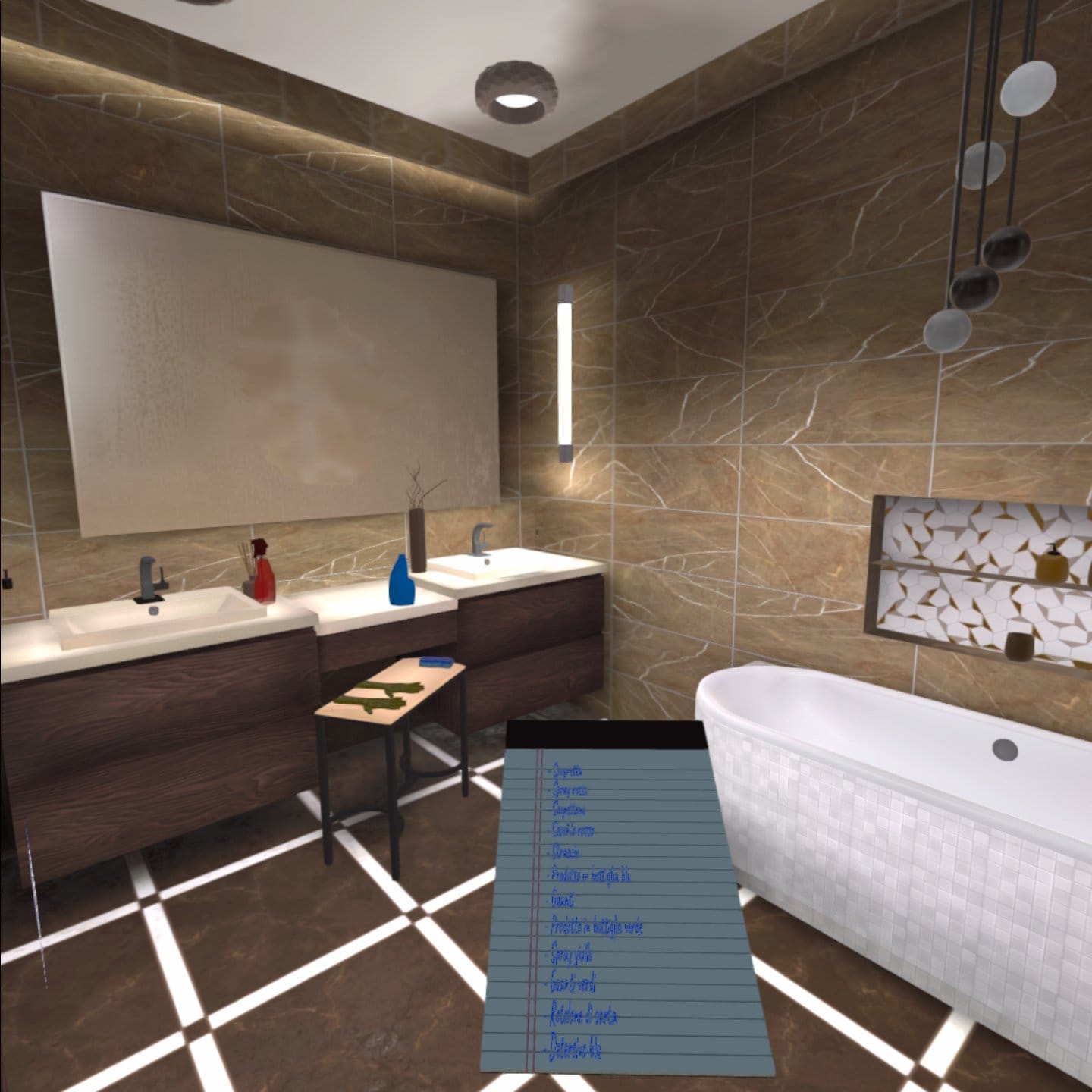
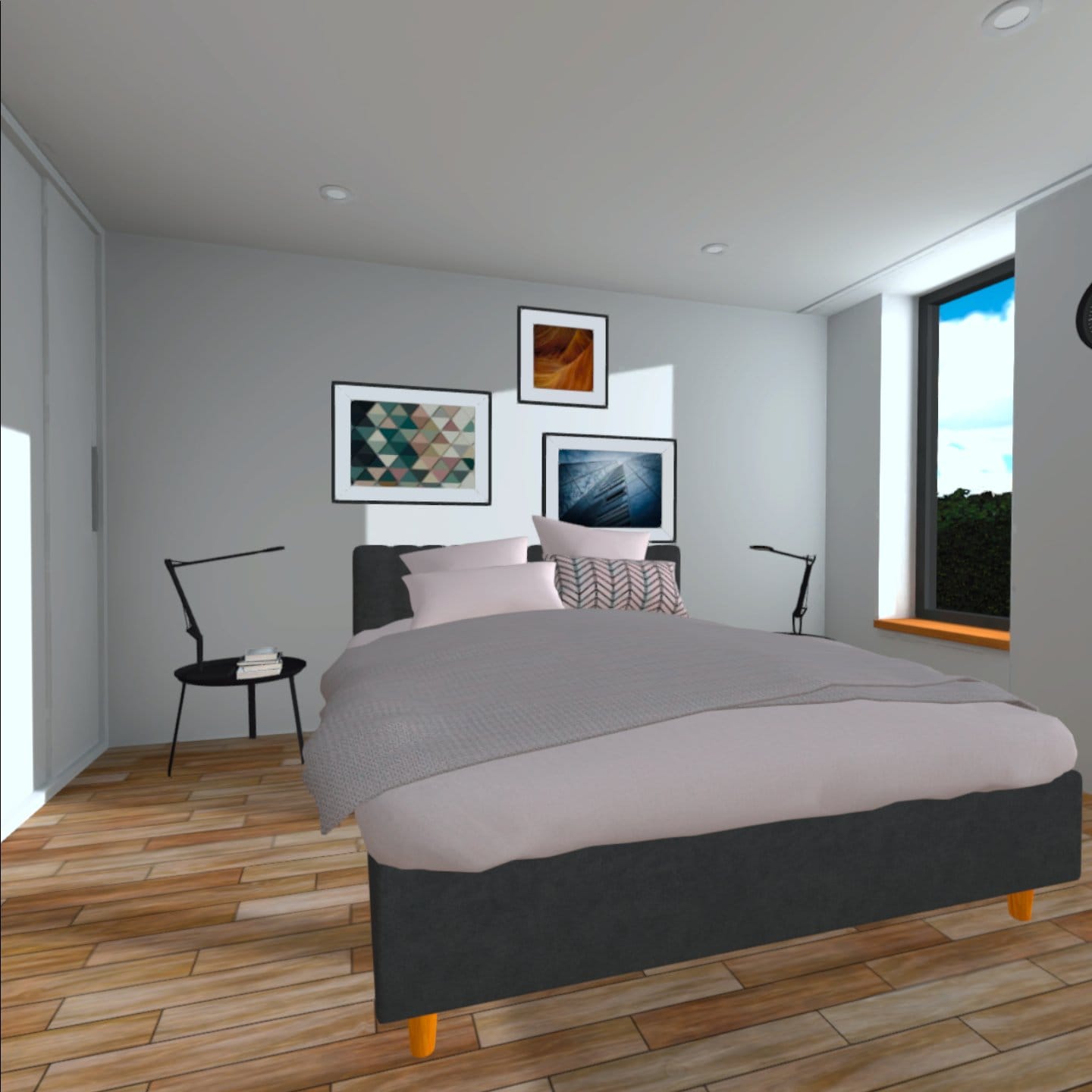
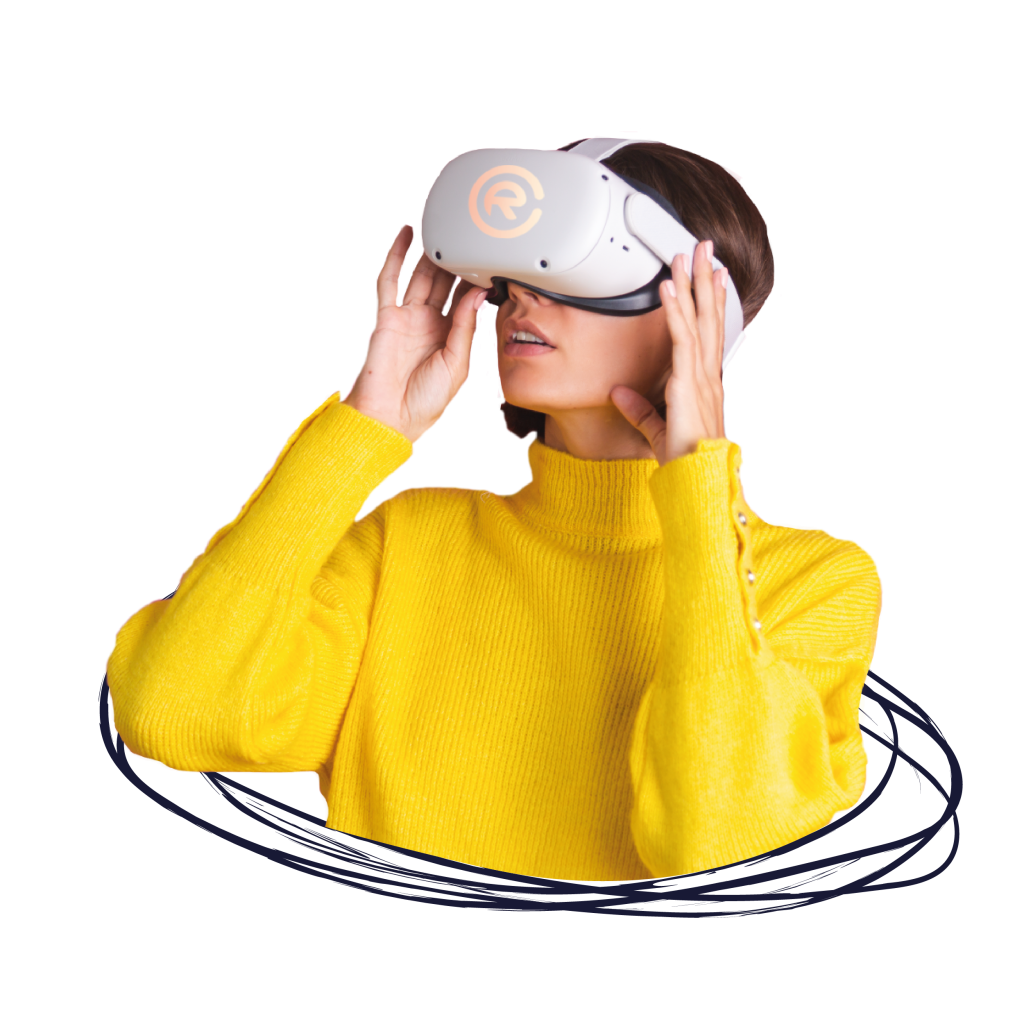
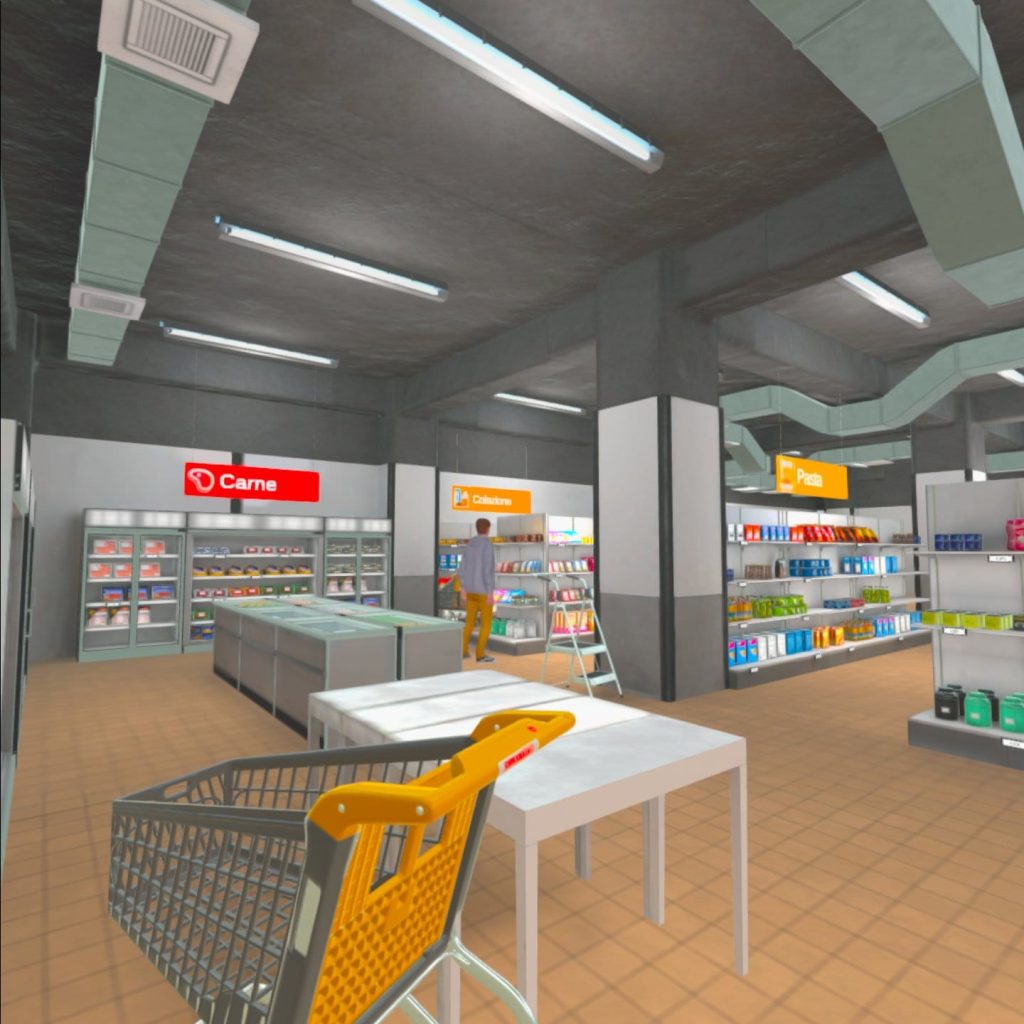
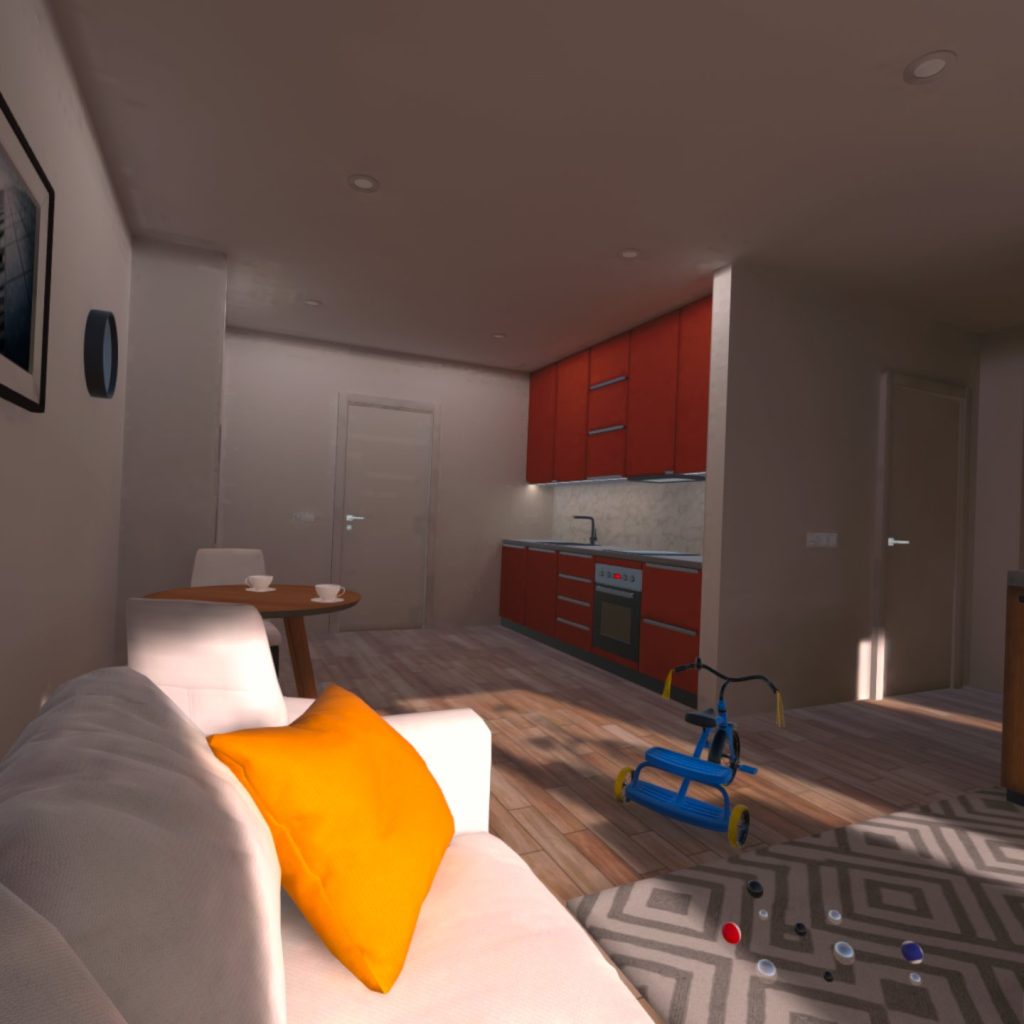
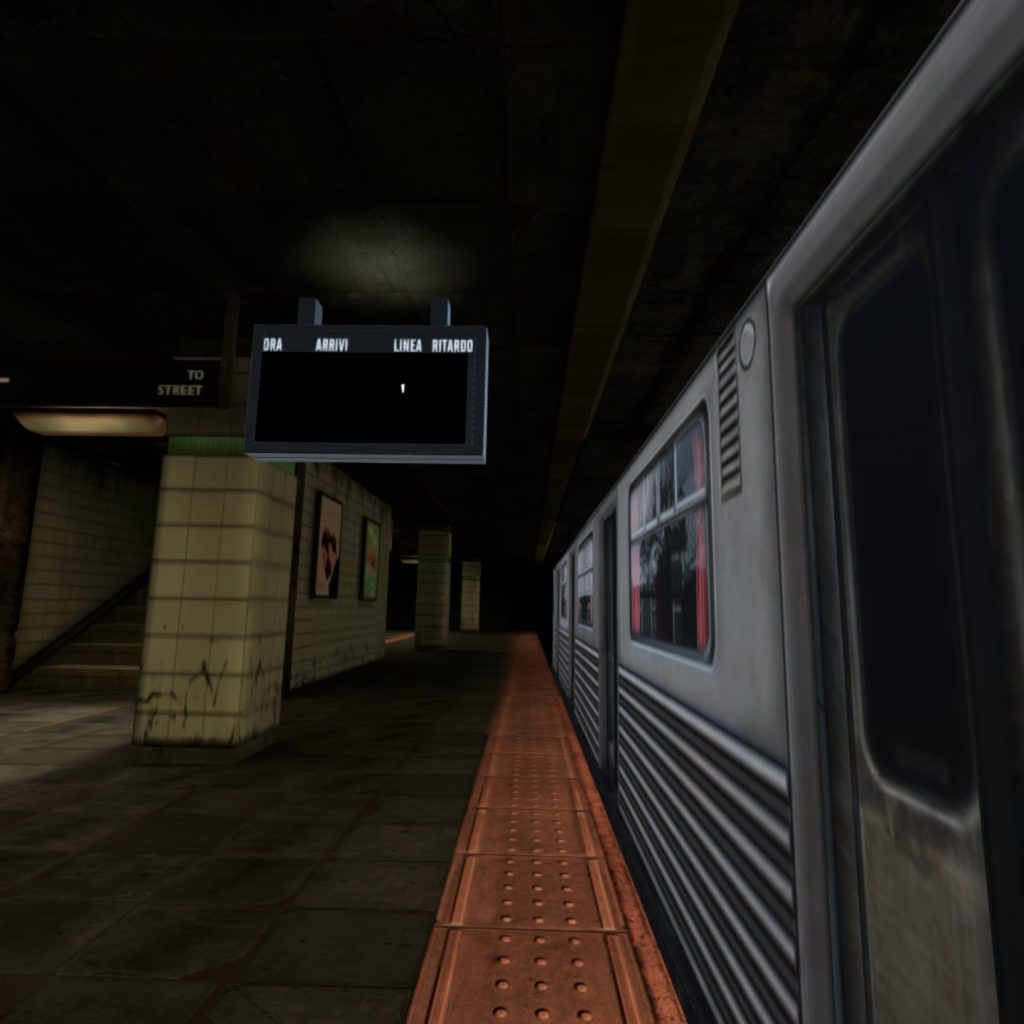
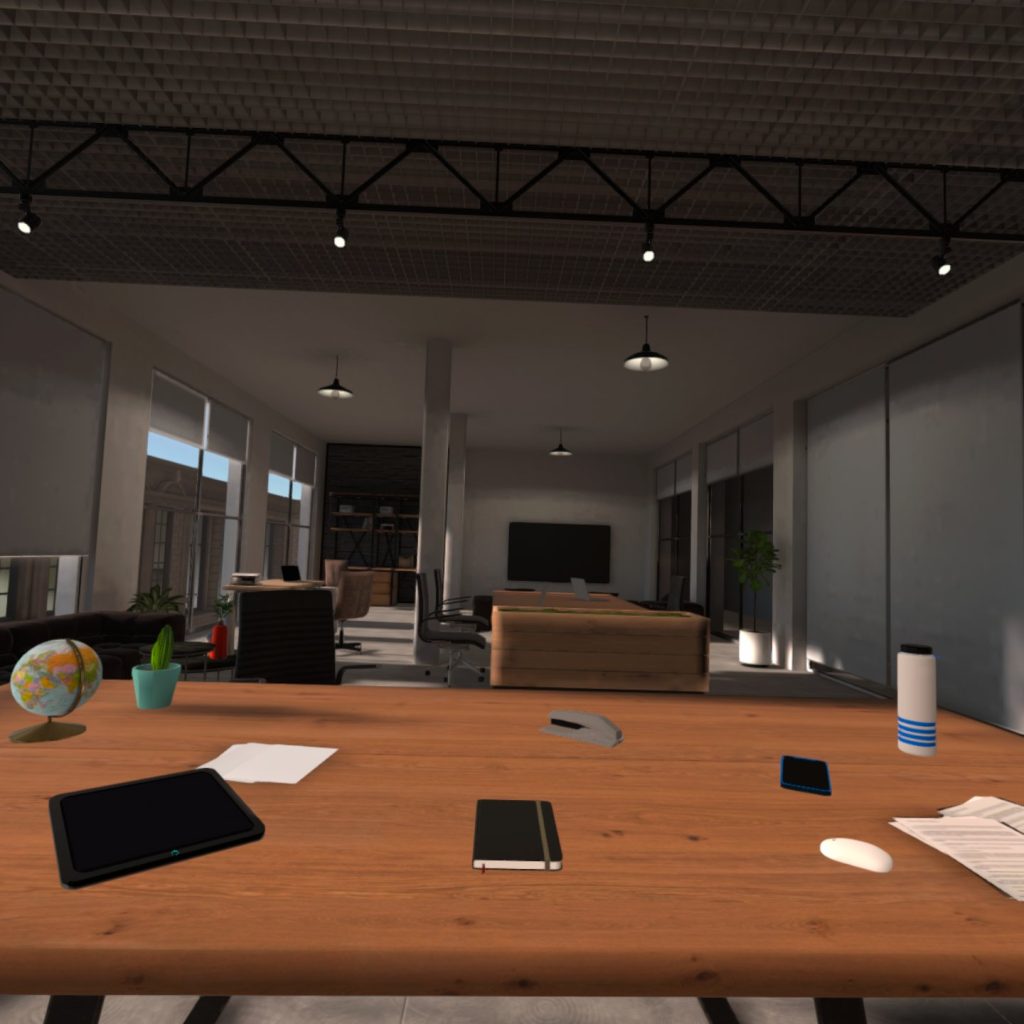
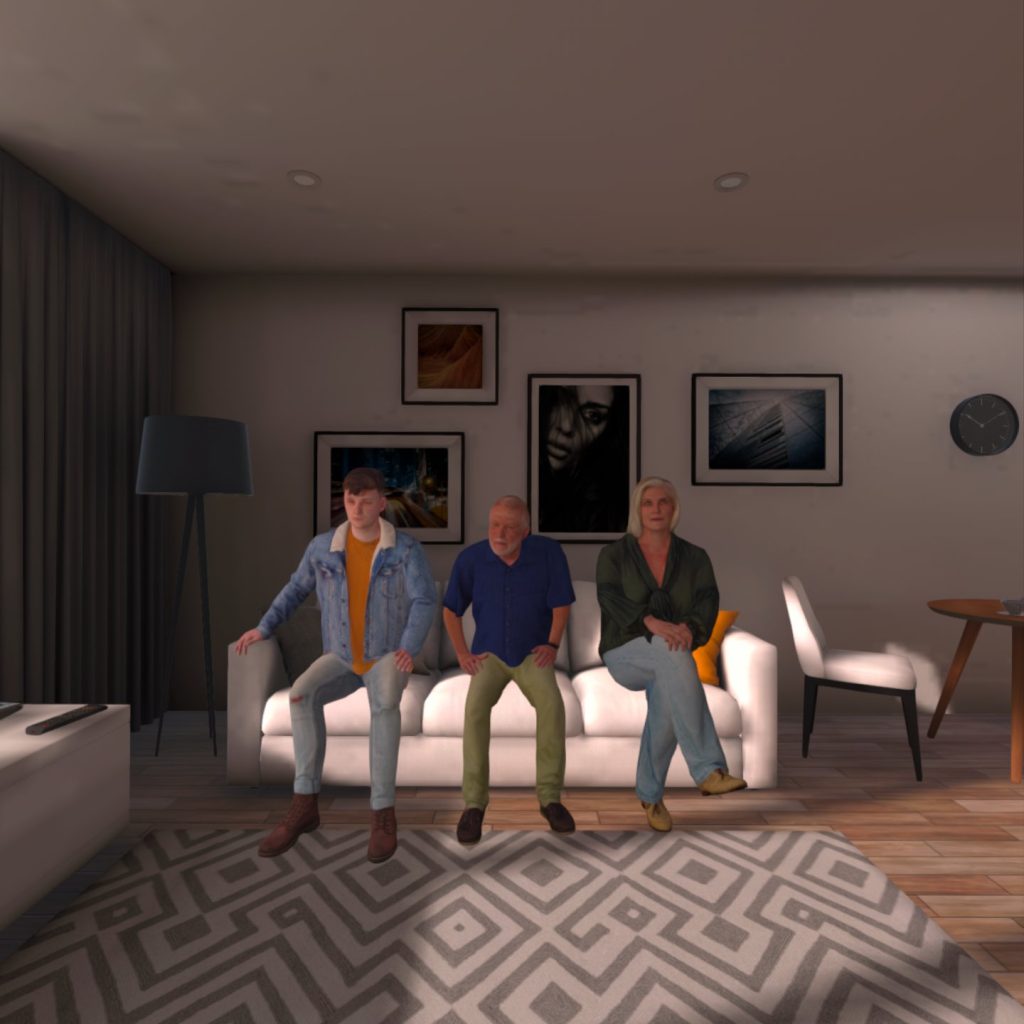
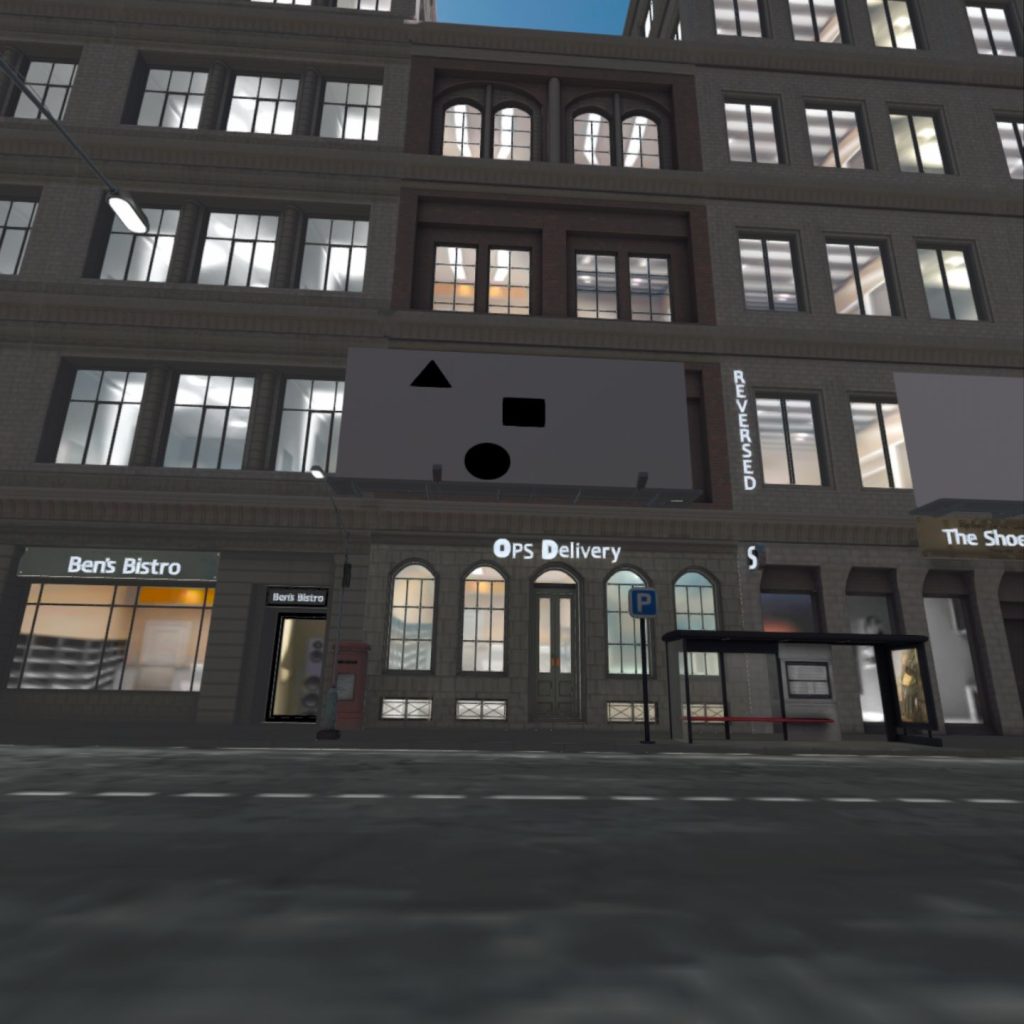
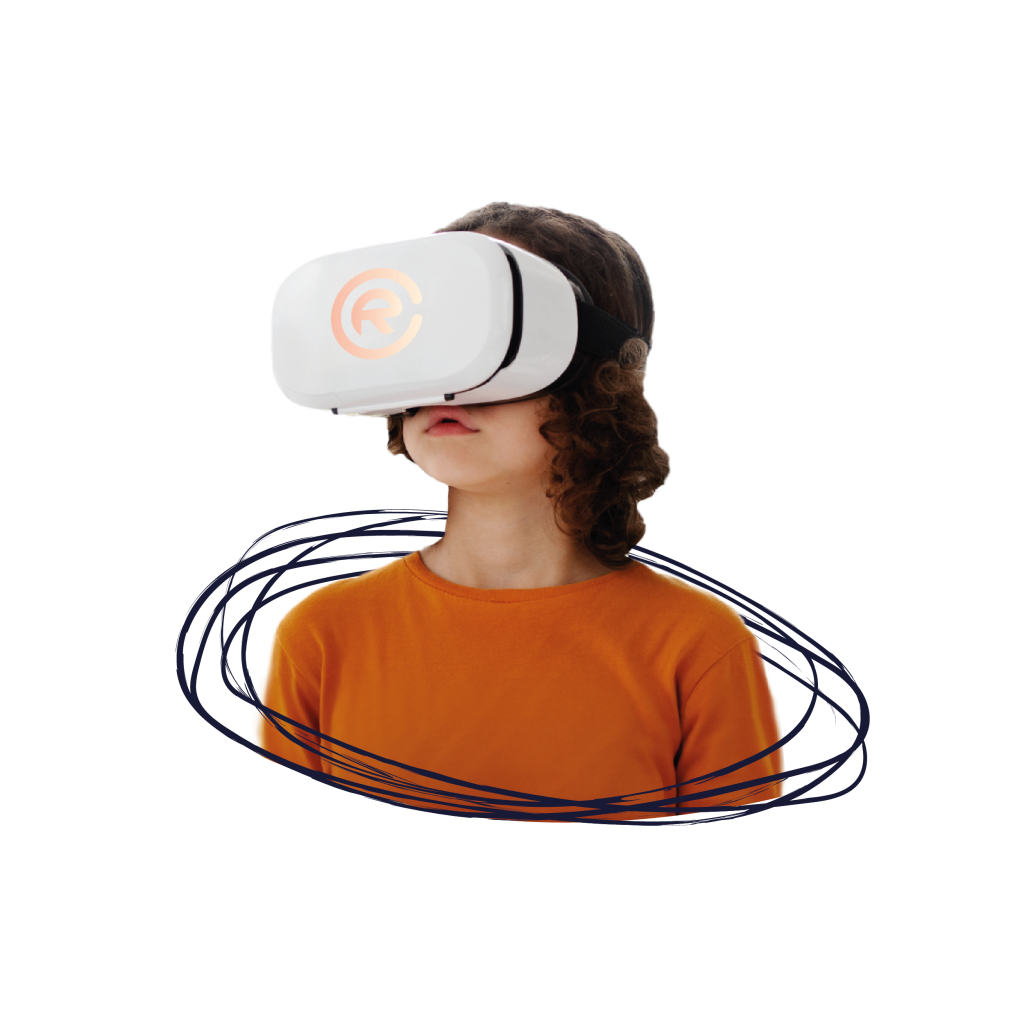
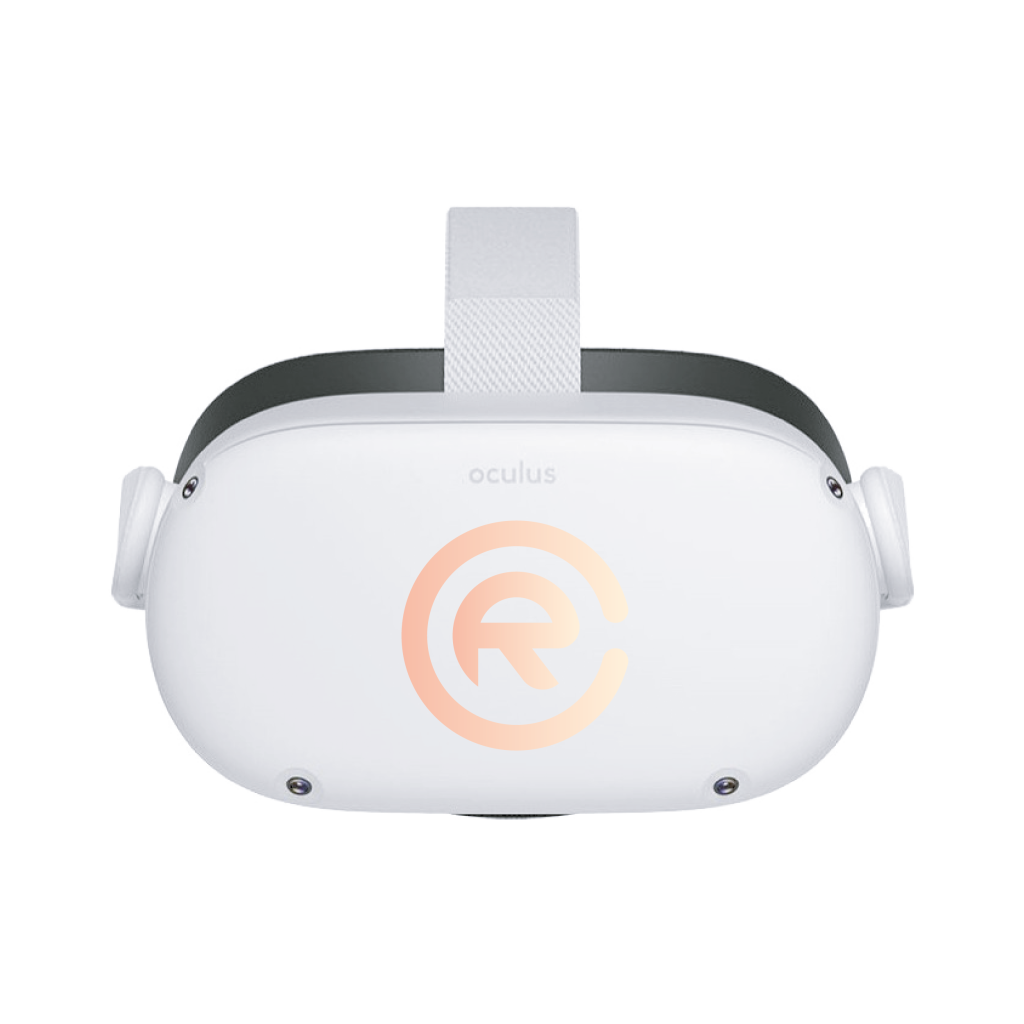
Through a Virtual Reality headset, the patient can immerse themselves in experiential situations that emulate everyday reality (ecological approach). These scenarios are useful for addressing the user’s strengths and challenges.
This allows for the stimulation and exploration of effective solutions that can be easily generalized beyond the therapeutic-rehabilitation setting.
The Scenarios






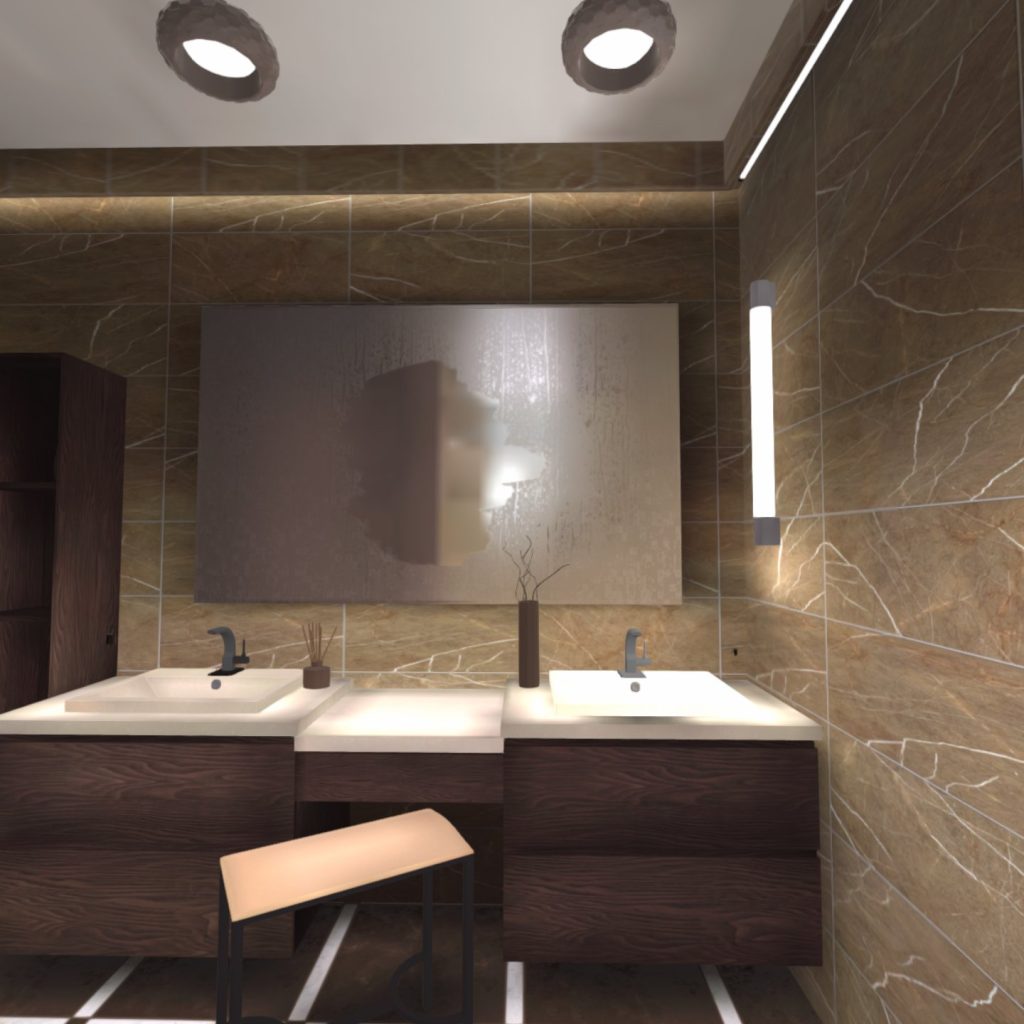

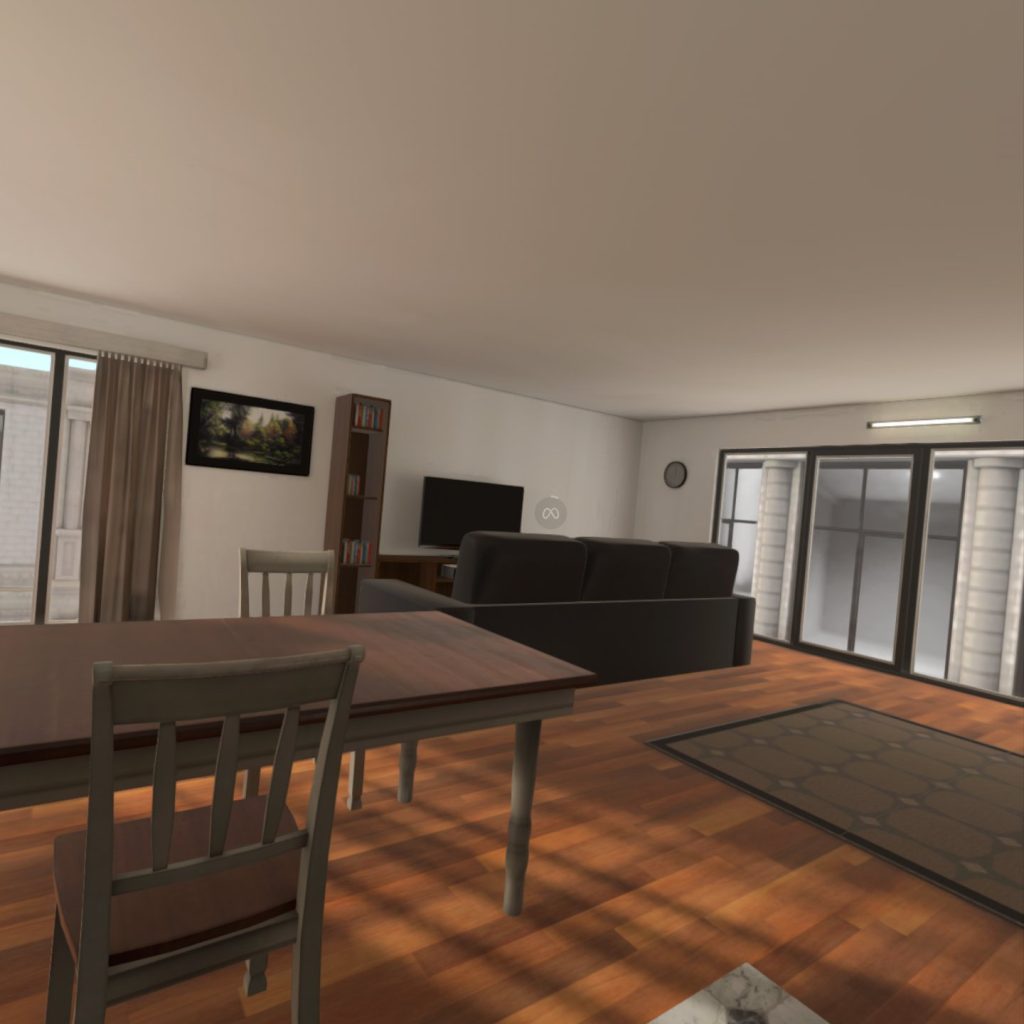
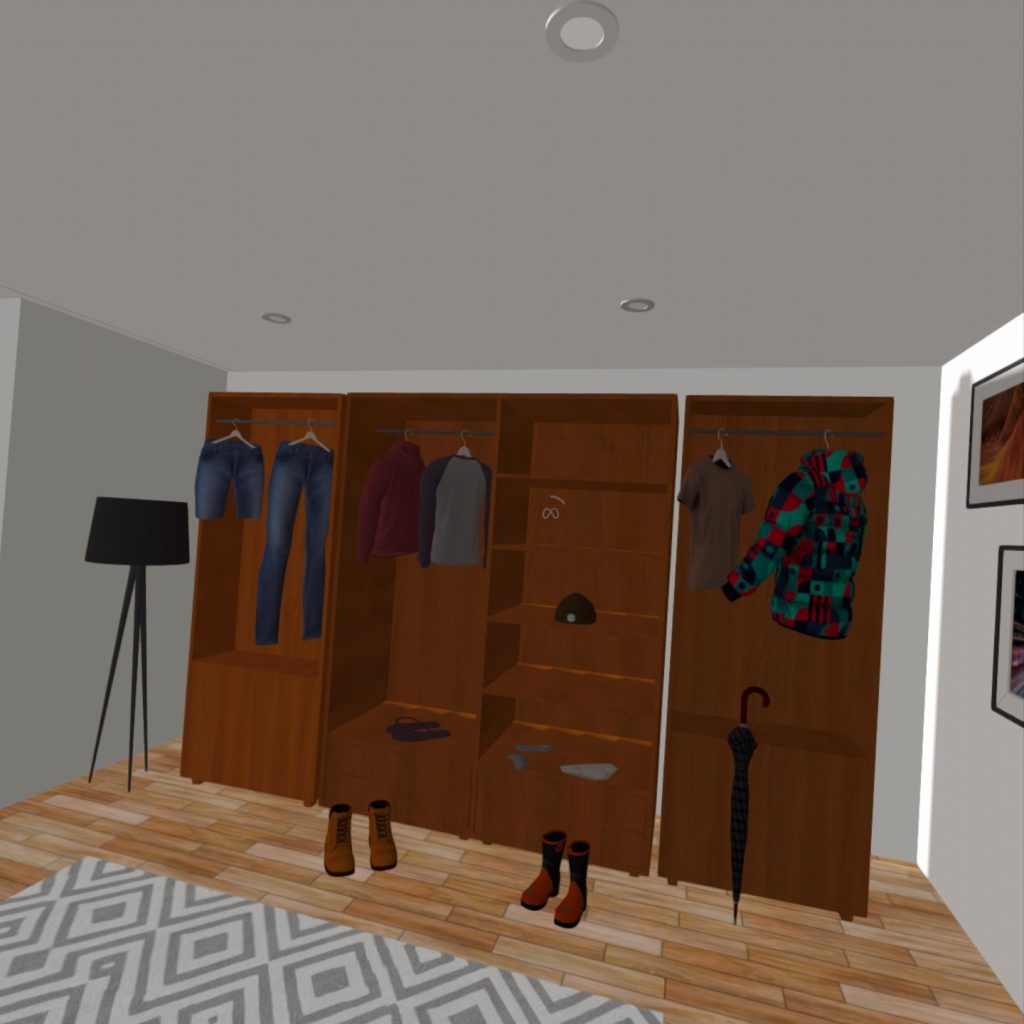
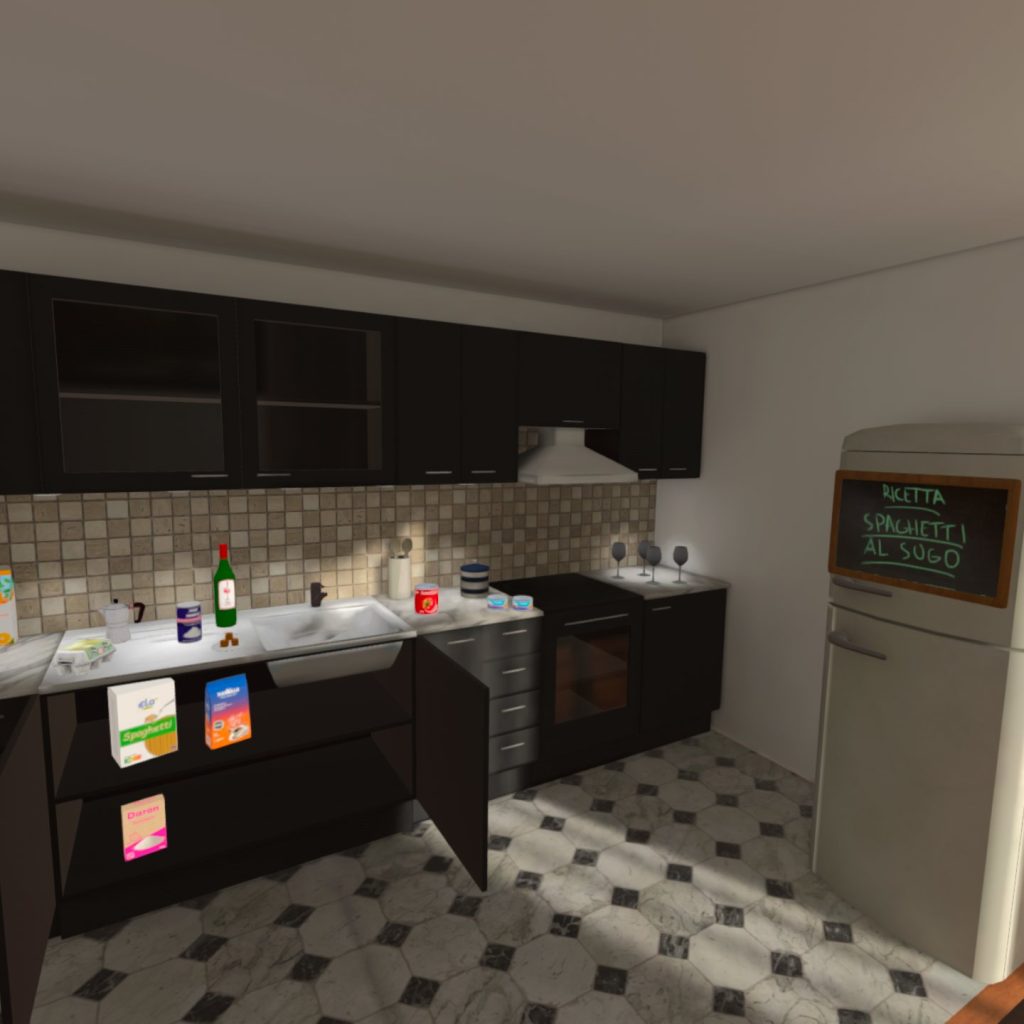




The Modules
CEREBRUM – Virtual Cognitive Rehabilitation is divided into 5 Modules, one for each cognitive domain, containing over 110 exercises of varying levels of difficulty.




The Tool
CEREBRUM – Virtual Cognitive Rehabilitation is an add-on tool, to the various therapeutic programs.
It focuses on cognitive stimulation aspects also addressing on metacognitive elements and psychosocial functioning (self-esteem, perceived self-efficacy, agency, empowerment, motivation, initiative).
1.
Cerebrum uses the integrated approach method: the specific cognitive difficulty is not only compensated and/or repaired, but psycho-educated to its control and use in daily life.
2.
Cerebrum is a versatile, deficit-oriented rather than diagnosis-oriented tool. It allows the rehabilitation practitioner to have a customizable experiential tool for stimulation and therapy programs.
Diagnostic Categories:
The Research
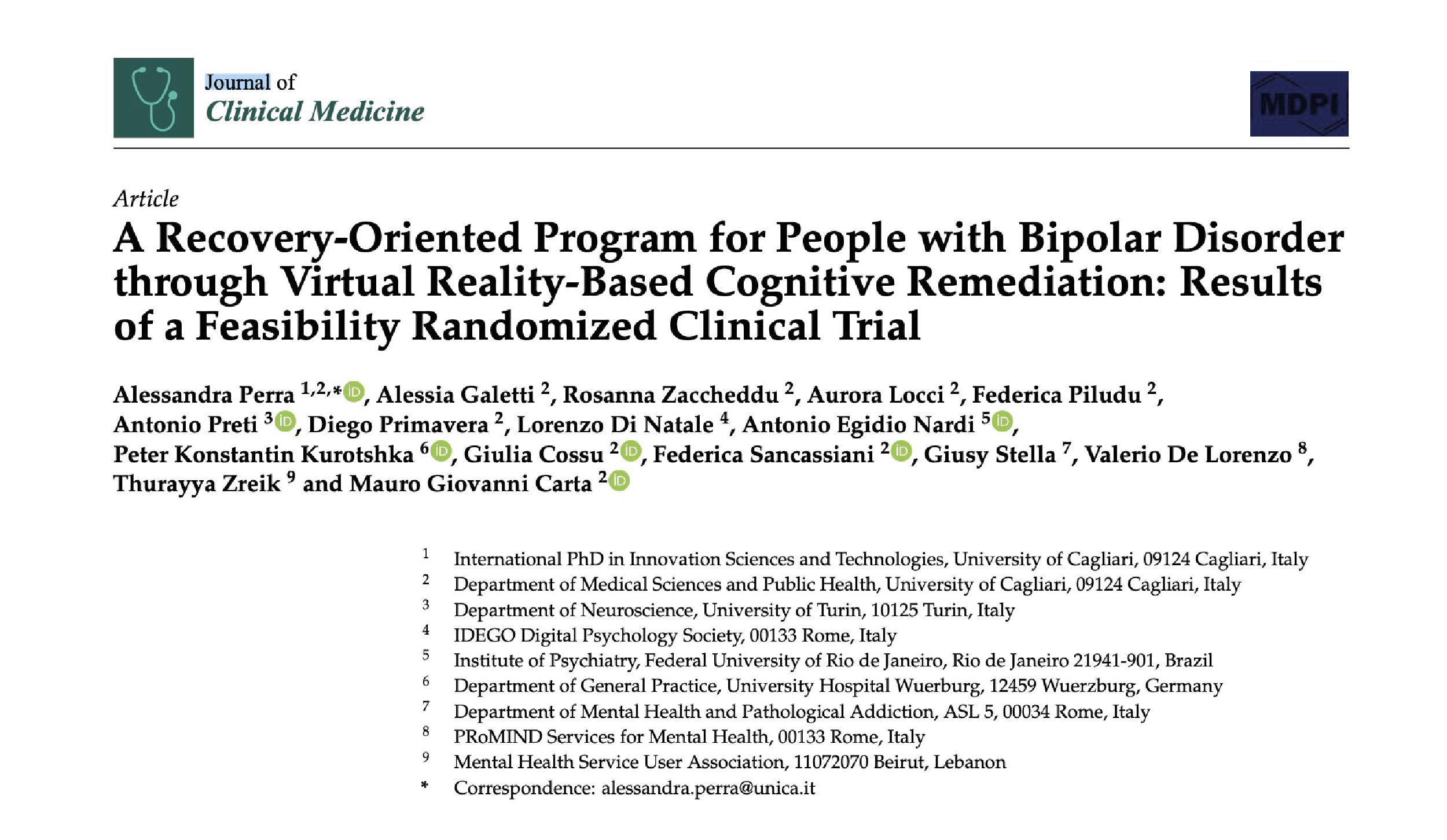
Among the various research studies, an RCT (Randomized Controlled Trial) was conducted to analyze the feasibility in terms of acceptability and tolerability.
Secondary findings concerning the efficacy of the study:
» Intervention safety
» Patient satisfaction
» Cognitive functions
» Personal and social functioning
0k
Documented case studies
0%
Did not find any adverse effects
The experimental design
Participants: 39 subjects in the experimental group and 25 subjects in the control group, all with Bipolar Disorder, returned positive feedback.
Tolerability and acceptability:
The Results
Individuals in the experimental group showed an overall improvement in all cognitive, personal and social functions compared with the control group.
In particular, a statistically significant improvement (p < 0.05) was observed across the four domains related to primary needs in bipolar disorder.
Our rehabilitation experiences
Virtual Reality experience focused on cognitive stimulation, with particular attention to metacognitive aspects and psychosocial functioning (self-esteem, perceived self-efficacy, agency, empowerment, motivation, and initiative).
The virtual experience CEREBRUM Kids is designed to engage children in a variety of tasks aimed at enhancing executive functions.
It offers an integrated cognitive stimulation program tailored for toddlers, with the goal of rehabilitating both basic and complex cognitive functions, as well as interpersonal and motivational skills.
Participants will face a series of challenges designed to stimulate cognitive abilities. After completing each level, participants pass the headset to a teammate. The teammate — while not wearing the headset — uses a manual to guide the headset-wearer through the puzzles.